The digital environment in 2026 is no longer defined by a shortage of artificial intelligence models, but rather by the friction of managing them. For users, jumping between tab layers to compare outputs from OpenAI, Anthropic, Google, and open-weight systems like DeepSeek creates structural inefficiencies. This fragmented user experience has catalyzed the rise of web-based frontends known as AI aggregators.
One of the prominent utility players in this space is TalkAI. Operating as a decentralized, lightweight abstraction layer, this software provides immediate access to multiple large language models (LLMs) through a single browser or mobile application frame.
But does this aggregator layer provide sustainable value for enterprise productivity, or does it function merely as a basic consumer interface? To help readers navigate these emerging automated utilities, this comprehensive review unpacks the operational architecture, hidden infrastructure costs, systemic risks, and leading alternative ecosystems defining the industry today.
In this blog post, we will unravel the core capabilities of TalkAI, evaluate its performance against industry standards, and determine whether it truly leads the market in accessibility and multi-model continuity.
Key Takeaways
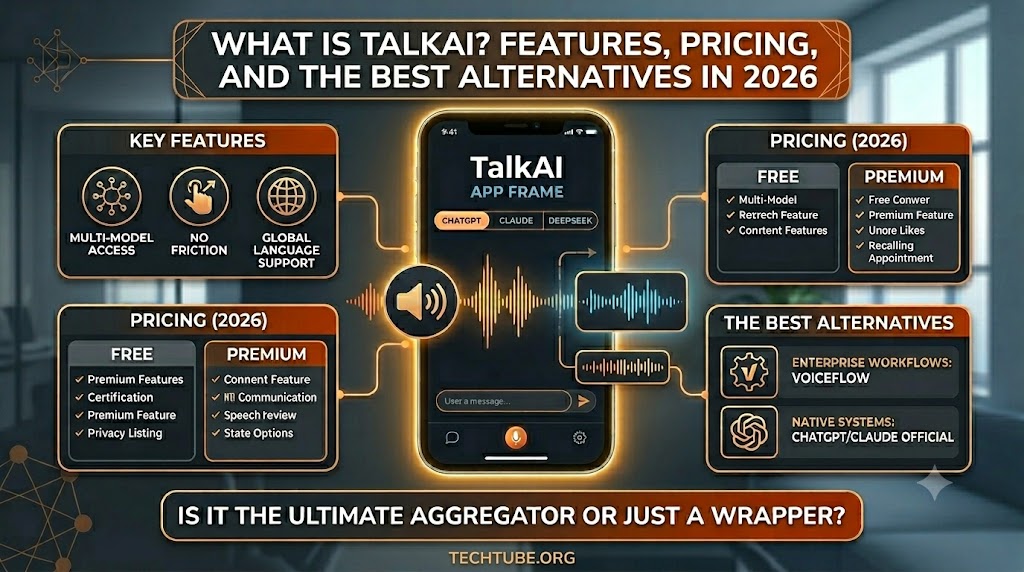
- Multi-Model Access: TalkAI serves as a unified browser-based frontend, aggregating top-tier models like ChatGPT, Claude, Gemini, and DeepSeek into a single interface.
- Low Onboarding Friction: The standard web application prioritizes rapid deployment by offering web layouts that require zero account creation or registration barriers.
- Session-Bound Storage: The free public engine relies strictly on local cache environments, meaning conversations are session-bound and prone to immediate data clearing.
- Enterprise Customization Limits: While excellent for casual testing, the framework lacks deeper API provisioning and knowledge-base management required for business automation.
What is TalkAI?
TalkAI is an aggregator frontend designed to pipe user prompts directly into third-party artificial intelligence frameworks via standard application programming interfaces (APIs). Rather than building, training, or tuning proprietary model weights, TalkAI functions entirely as an intermediary wrapper.
The software eliminates the classic onboarding hurdles of mainstream platforms. Users do not need credit card checks, telephone confirmation tokens, or centralized single sign-on structures to test advanced machine learning nodes. The tool is available across multiple digital touchpoints:
- Web-Based Software: An accessible desktop portal optimized for rapid text-and-image generation tasks.
- Mobile Extensions: Native application footprints on the Google Play Store and iOS App Store designed for on-the-go queries.
- Messaging Integrations: Automated configurations optimized for direct consumer interactions inside communication apps like WhatsApp.
Technical Analysis of Core Features
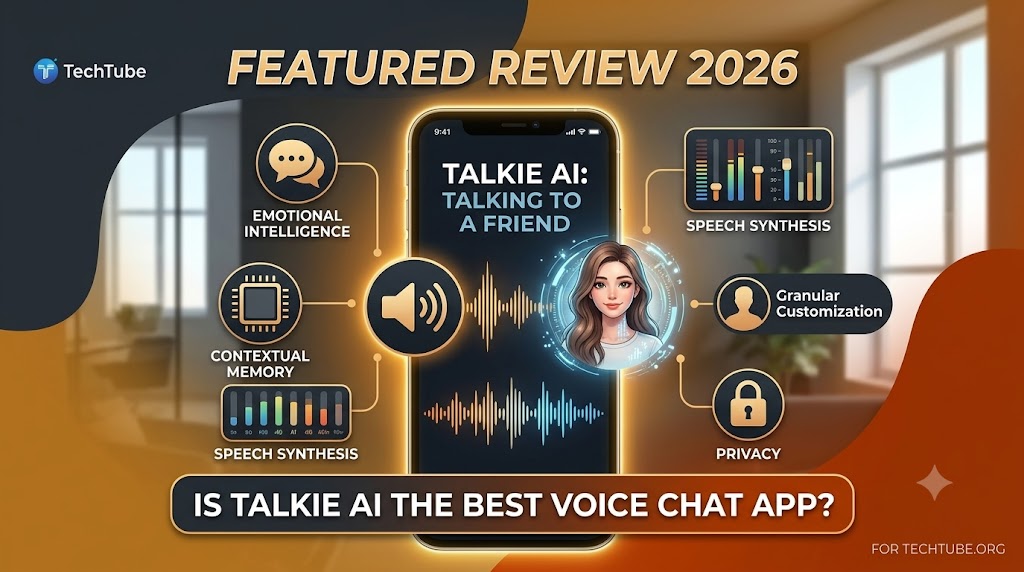
To understand how this application stands out in the crowded AI landscape, we need to analyze the underlying technology that powers its conversational engine. Unlike basic text-to-speech tools, the platform relies on sophisticated neural network architectures.
Here is a breakdown of the core pillars that drive its functionality:
1. Unified Model Switching
The platform allows users to direct a single textual prompt to multiple distinct backend systems concurrently. This setup makes it simple to cross-reference structural code generation, creative copywriting, or logical reasoning outputs across models like ChatGPT 5-mini, Claude, and DeepSeek within seconds.
2. Low-Friction Image Generation
Beyond standard natural language processing, the interface contains processing routes connected to prominent text-to-image engines like DALL-E. This enables users to build graphic prototypes or promotional concept art directly from their primary conversational sidebar.
3. Comprehensive Multilingual Engines
By utilizing the underlying tokenization logic of advanced multi-billion parameter models, the platform natively supports over 60 languages. It operates smoothly as an on-demand translator, writing assistant, and linguistic practice station.
Hands-On User Experience: What Works and What Fails
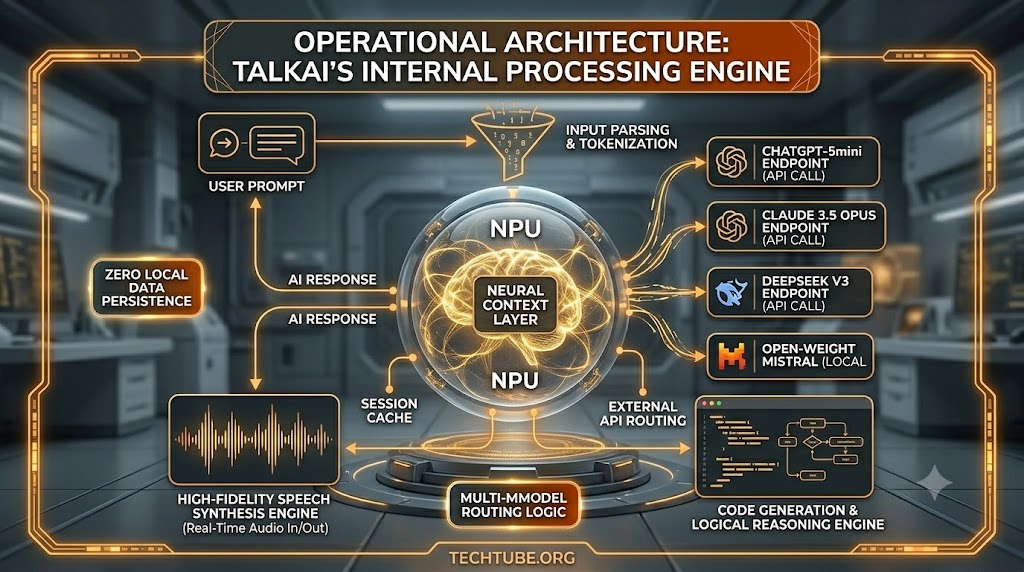
System testing reveals a balanced utility layout that trades profound system personalization for extreme deployment velocity.
Technical Advantages
- Zero Initial Paywalls: The open public engine allows for immediate experimentation with basic writing assistants and programming aids.
- Simplified Layout Logic: The user interface strips out complex system prompt settings, making it highly intuitive for casual consumers or students managing assignments.
- Cross-Model Comparison: Users can evaluate which specific architecture responds best to their distinct prompting style without managing multiple premium subscriptions.
System Vulnerabilities
- Absence of Persistent Memory: Because free sessions rely mostly on localized browser storage, clear-cache commands wipe all previous interaction histories.
- API Bottlenecks: During peak global traffic hours, responses can stall or return generation errors if the backend API channels experience server constraints.
- Data Transparency Shadows: As with many free aggregation models, clear data-use disclosures regarding prompt retention are minimal, rendering it risky for proprietary business information.
TalkAI Pricing: Free vs. Premium Premium Plans
The service leverages a freemium monetization strategy to offset the high computing costs associated with API routing tokens:
- Standard Free Access ($0.00): Offers uncapped, basic text conversations with fast AI models, minimal image generation tokens, and standard web response prioritization.
- Premium Monthly Subscription ($9.90/Month): Grants complete access to advanced reasoning engines (such as ChatGPT 5-mini), unlocks 40 fast image generations per month, eliminates embedded visual promotions, and ensures priority queue placement during server spikes.
Comparative Evaluation: TalkAI vs. Market Alternatives
When choosing a centralized workspace, professionals must consider whether an open aggregator or an enterprise-specific builder matches their operations. The table below details these performance variations:
| Structural Variable | TalkAI | Voiceflow | OpenAI Official |
| Primary Architecture | Unified Public Frontend Wrapper | Conversational Agent Builder | Proprietary Native Model Ecosystem |
| Database Memory | Short-Term Session Cache | Enterprise Knowledge-Base | Centralized Account History |
| API Integration | Locked / Hidden | Fully Autonomous Connections | Open Developer Sandboxes |
| Collaboration Controls | None Available | Real-Time Multi-User Editing | Basic Workspace Sharing |
| Target Audience | Individual Researchers & Casual Users | Enterprise Teams & Product Designers | Developers & Specialized Professionals |
Organizations interested in how these comparative system frameworks are shifting modern technology investments often follow comprehensive market analyses on top business platforms like techtube.
The Best Alternatives to TalkAI in 2026
If the basic prompt-and-response framework of an aggregator wrapper does not fulfill your workflow requirements, several advanced ecosystems offer deeper integration, better data persistence, and scalable automation architecture. Depending on whether you need complex visual design canvases or direct native model capabilities, specific tools provide superior operational depth.
Here are the top production-grade platforms defining the market today:
1. Voiceflow (Best for Enterprise & Agent Workflows)
For groups seeking more than a clean chat window, Voiceflow represents the logical next tier of system maturity. It moves past basic prompting to provide an intuitive drag-and-drop orchestration canvas. Teams can design, test, and host complex conversational agents that plug directly into internal databases, customer support desks, and live phone systems.
2. Mainstream Native Ecosystems (ChatGPT & Gemini Premium)
While aggregators save subscription costs, they lose out on native feature updates. Subscribing directly to OpenAI or Google Gemini gives professionals immediate access to multimodal file uploads, advanced data analysis sandboxes, and custom GPT environments that aggregators cannot easily port over.
FAQs
Is it safe to process confidential business data through TalkAI?
No. Because the platform acts as an intermediary third-party frontend that pipes requests through public APIs, it lacks the explicit compliance certifications (such as SOC 2 or HIPAA) required to safeguard secure company records.
How does TalkAI minimize its processing latency?
The system utilizes lightweight, script-optimized browser frames that load quickly. It routes basic prompts to smaller, speed-optimized model variants to deliver answers within milliseconds.
Does the application require local software installations?
The primary version runs entirely inside standard web browsers. However, official mobile application footprints are available for users who prefer localized notifications and native mobile interface scaling.
Final Verdict:
TalkAI is a great, low-friction tool for casual users and student researchers. It provides fast access to top-tier models like ChatGPT, Gemini, and DeepSeek without the hassle of account registrations or upfront fees.
However, it falls short for enterprise teams. The lack of data persistence, collaborative workspaces, and robust security protocols means it cannot support complex business automation. For production-grade workflows, investing in structured platforms like Voiceflow or direct native subscriptions remains the best path forward.